If your coffee tastes like cardboard, it’s likely due to several factors. Low-quality beans, especially those containing quakers, can introduce off-flavors. Improper storage leads to staleness, while unfiltered brewing methods—like using untreated paper filters—can worsen the taste. Additionally, stale or burnt beans will lack complexity and vibrancy. To pinpoint the exact cause, let’s explore the critical elements affecting your coffee’s flavor profile and how to enhance your brewing experience.
Key Takeaways
- The cardboard flavor in coffee can stem from untreated paper filters that release fibers into the brew during extraction.
- Quakers, or underdeveloped beans, can introduce off-flavors that resemble cardboard due to improper processing techniques.
- Using stale or low-quality beans often results in a flat, cardboard-like taste in brewed coffee.
- Improper storage, including exposure to oxygen and light, can lead to staleness and undesirable flavors in your cup.
- Inconsistent brewing variables, such as temperature and time, can negatively impact flavor extraction and overall coffee quality.
Understanding the Cardboard Flavor in Coffee
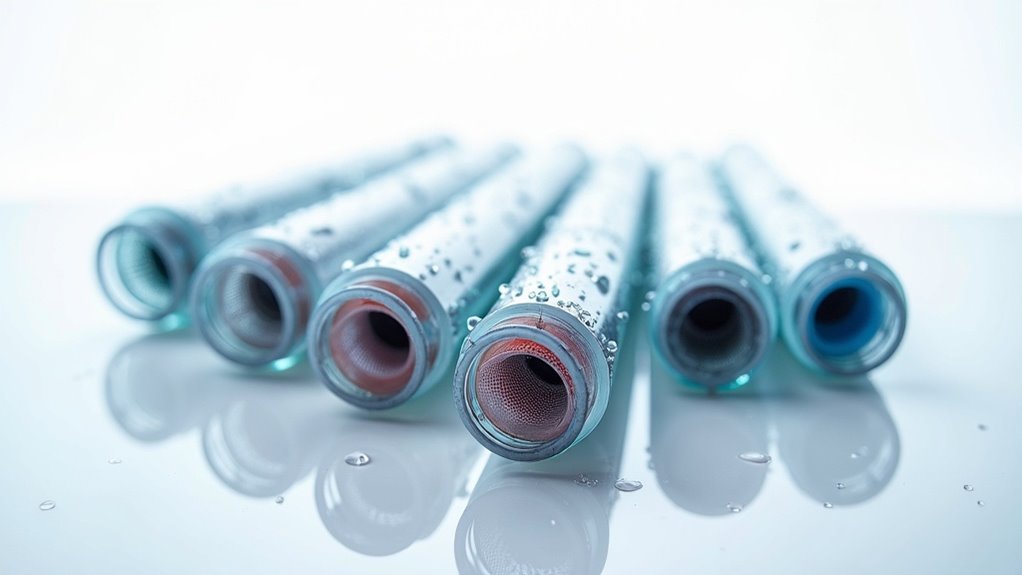
When brewing coffee, you might encounter an unpleasant cardboard or papery flavor, especially if you’re using untreated paper filters. This undesirable taste originates from the natural fibers and compounds in these filters, which hot water extracts during brewing.
It’s particularly noticeable in light-roasted coffees but can also dull the flavors of dark roasts. To reduce this issue, rinsing unbleached filters with hot water can enhance your brew.
On the other hand, bleached filters generally have a less prominent paper taste due to their treatment. Additionally, experimenting with metal mesh or cloth filters can further improve your coffee’s clarity and mouthfeel, providing a more enjoyable experience.
The Role of Quakers in Coffee Taste
Although you may not realize it, the presence of quakers in your coffee can significantly influence its flavor profile.
These underdeveloped beans, often light brown, can introduce off-flavors that resemble cardboard or paper. Quakers typically arise from unripe cherries or improper processing, resulting in a dull taste that obscures the intended flavors of your brew.
Underdeveloped beans, known as quakers, can impart undesirable cardboard-like flavors, dulling the true essence of your coffee.
When brewing, it’s essential to visually identify and remove quakers to enhance clarity and quality. Their prevalence in lower-quality coffee lots makes their removal crucial, especially for specialty coffees that strive for a superior tasting experience.
Prioritizing this step can elevate the overall flavor of your coffee.
Impact of Bean Quality and Freshness
The quality and freshness of coffee beans are pivotal in shaping the overall flavor profile of your brew. Freshly roasted beans offer vibrant and nuanced flavors, while stale beans result in a flat or cardboard-like taste. Additionally, over-roasting can introduce burnt notes, further diminishing the quality of the coffee.
| Factor | Impact on Flavor |
|---|---|
| Bean Quality | Determines flavor complexity |
| Freshness | Preserves aroma and taste |
| Proper Storage | Prevents degradation of flavor |
To ensure that you serve the finest coffee, prioritize sourcing high-quality, fresh beans and store them correctly to maintain peak flavor retention.
Effects of Improper Storage and Staleness
Improper storage of coffee beans can quickly lead to staleness, which manifests as a lack of aroma and a flat, bitter taste.
You might notice these indicators when your coffee begins to taste cardboard-like, often due to exposure to oxygen, moisture, and light.
To maintain the freshness of your coffee, it’s crucial to store your beans in airtight containers and keep them in a cool, dark place.
Stale Coffee Indicators
Stale coffee can be a disappointing experience, often marked by a lack of aroma and a flat, bitter taste. Indicators of staleness include a pronounced cardboard flavor, which arises from prolonged exposure to air and other elements.
Ground coffee deteriorates faster than whole beans, losing its vibrant notes within days of grinding. If your brew lacks complexity and freshness, it’s likely stale.
Storing coffee incorrectly—like keeping it in its original bag or exposing it to heat—accelerates quality loss. For the best coffee experience, serve it promptly after roasting and ensure proper storage to maintain its delightful characteristics.
Storage Best Practices
When it comes to storing coffee, following a few key best practices can greatly impact its flavor and freshness.
Coffee beans are sensitive to oxygen, moisture, heat, light, and strong odors. To prevent stale coffee, always use an airtight container and store it in a cool, dark place.
Avoid keeping coffee in its original bag, as it’s typically not airtight, exposing beans to harmful elements.
Remember, exposure to air leads to oxidation, which results in a flat taste and undesirable cardboard-like flavors.
Impact of Exposure
Exposure to elements like oxygen, moisture, heat, and light dramatically affects your coffee’s flavor. When coffee isn’t stored properly, it quickly becomes stale, leading to undesirable flavors reminiscent of cardboard.
Here are key effects of exposure:
- Oxygen: Accelerates flavor degradation, making coffee taste flat and lifeless.
- Moisture: Encourages mold growth and alters the coffee’s natural taste, leading to off-flavors.
- Heat and Light: Deteriorate volatile compounds in coffee, resulting in increased bitterness and loss of aroma.
To maintain the quality of your coffee, always store beans in an airtight container placed in a cool, dark location.
This way, you can ensure your coffee remains fresh and flavorful, steering clear of that stale, cardboard-like taste. Enjoy your brew to the fullest!
Brewing Method Variables and Their Influence
Although many factors contribute to the flavor profile of your coffee, brewing method variables play a critical role in determining whether your cup tastes fresh or cardboard-like. Inconsistent water temperature, brewing time, and coffee-to-water ratios can greatly affect extraction. For instance, using paper filters without pre-rinsing can introduce undesirable flavors.
| Brewing Method | Flavor Impact | Suggested Action |
|---|---|---|
| Paper Filter | Cardboard taste | Pre-rinse filters |
| Water Temperature | Under/over-extraction | Use consistent temperature |
| Coffee Ratio | Imbalanced flavors | Aim for 10g per cup |
To enhance your coffee flavor, pay attention to these brewing method variables.
Importance of Water Quality and Temperature
Water quality and temperature are crucial for crafting the perfect cup of coffee, as they significantly affect the extraction process. To ensure a flavorful brew, keep these considerations in mind:
- Water Quality: Opt for filtered or spring water to prevent impurities that can impart undesirable flavors to your coffee.
- Temperature: Brew with water at a temperature between 195°F and 205°F; water that’s too hot can result in over-extraction, leading to bitterness in your coffee.
- Flushing: Preheat your coffee machine to remove any lingering flavors, ensuring the water is clean and at the optimal temperature for brewing.
Diagnosing and Addressing Coffee Flavor Issues
Ensuring high water quality and ideal brewing conditions sets the stage for great coffee, but even with these factors in check, you might still encounter undesirable flavors like cardboard.
Over-roasted coffee beans can introduce burnt, papery notes, while untreated paper filters may leach natural fibers into your brew, affecting the taste.
Poor water quality can further taint flavors, and inconsistent grind size can negatively impact extraction, leading to off-flavors.
To address these issues, choose fresh, high-quality coffee beans, rinse filters with hot water to eliminate any unwanted residues, and maintain your brewing equipment regularly.
Additionally, pay attention to grind size and brewing ratios for a balanced, enjoyable cup of coffee.