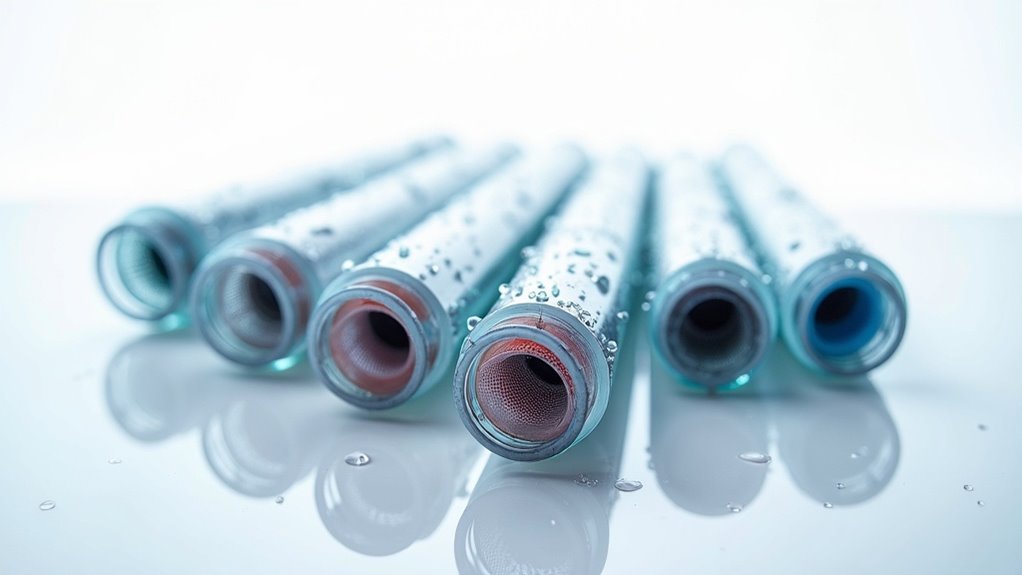
Permanent hardness refers to water quality issues that can significantly affect the taste and quality of coffee. This type of hardness is caused by dissolved minerals, specifically calcium sulfate and magnesium sulfate, which remain in the water regardless of temperature changes. Unlike temporary hardness, permanent hardness cannot be removed by boiling, and it impacts flavor extraction during the coffee brewing process. The presence of these minerals can lead to scale buildup in coffee machines, which not only increases maintenance costs but also decreases brewing efficiency. By understanding the implications of permanent hardness, coffee enthusiasts and professionals alike can enhance their water treatment practices, ensuring a better cup of coffee.
Key Takeaways
- Permanent hardness in water refers to the presence of dissolved minerals, primarily calcium sulfate and magnesium sulfate.
- This type of hardness cannot be eliminated by boiling, which impacts water quality and ultimately affects the brewing process.
- The level of permanent hardness can influence flavor extraction in coffee, enhancing its taste and mouthfeel.
- Additionally, scale buildup from permanent hardness can lead to increased maintenance costs for coffee machines.
- Therefore, monitoring water quality is crucial for achieving optimal coffee flavor and ensuring the longevity of brewing equipment.
Definition of Permanent Hardness
Permanent hardness is an important consideration for coffee enthusiasts, as it directly influences the quality of water used in brewing. This hardness is primarily due to the presence of calcium sulfate and magnesium sulfate.
Unlike temporary hardness, which can be removed by boiling, permanent hardness persists even after heating, affecting the overall taste and usability of the water in your coffee-making process.
You may notice its impact through scale buildup in coffee machines, which can hinder performance and lead to costly maintenance.
To assess permanent hardness, one can subtract temporary hardness from total hardness, providing crucial information for optimizing your water for the perfect brew.
Understanding this concept is vital for ensuring the best coffee experience for yourself and others.
Causes of Permanent Hardness in Water
When considering the quality of your coffee, it is essential to recognize that permanent hardness in water can significantly impact the brewing process. This hardness mainly stems from dissolved minerals, specifically calcium sulfate (CaSO4) and magnesium sulfate (MgSO4). These compounds contribute to the presence of calcium and magnesium ions, which persist in water regardless of temperature changes. Unlike temporary hardness, permanent hardness does not precipitate upon heating, which can affect the extraction of flavors and overall quality of your coffee.
| Mineral Component | Impact on Coffee Quality |
|---|---|
| Calcium Ions | Enhances flavor extraction |
| Magnesium Ions | Affects crema formation and mouthfeel |
| Sulfates | Influences overall mineral balance |
Understanding these causes aids in effective water treatment for optimal coffee brewing.
Methods for Removing Permanent Hardness
When it comes to brewing the perfect cup of coffee, the quality of water used is crucial, particularly regarding its hardness. To achieve the best flavor, consider methods for removing permanent hardness from your water.
The ion exchange method can effectively swap out hardness ions for sodium or hydrogen ions, enhancing the taste of your brew. Alternatively, reverse osmosis filters out dissolved solids through a semi-permeable membrane, ensuring that only the purest water makes it into your coffee.
Each method has its own cost and efficiency factors, so evaluate your specific water quality needs to ensure you’re brewing the best coffee possible.
Ion Exchange Method
The ion exchange method can be likened to a meticulous brewing process in coffee preparation, where precision is key to achieving the desired flavor profile. Just as this method effectively addresses permanent hardness in water by replacing calcium and magnesium ions—responsible for bitterness—with sodium ions from a specialized resin, baristas carefully select water that enhances the coffee’s taste.
| Ion Type | Role in Coffee Flavor |
|---|---|
| Calcium Ions | Can contribute to bitterness |
| Magnesium Ions | Can enhance flavor complexity |
| Sodium Ions | Balance and soften flavors |
During the brewing process, similar to how sodium carbonate is used to recharge the resin in water softening, the right balance of minerals is essential to ensure optimal extraction and prevent undesirable flavors, especially when using water exposed to chlorine.
Reverse Osmosis Technique
Although many methods exist for enhancing the quality of water used in coffee brewing, the Reverse Osmosis (RO) technique stands out for its efficiency and effectiveness.
This method effectively tackles calcium and magnesium ions, which can negatively impact the taste of coffee. Here’s what you should know:
- RO employs a semi-permeable membrane, blocking dissolved solids that can alter flavor.
- It operates under high pressure, typically 40 to 100 psi, ensuring thorough filtration for a pure brew.
- You can reduce total dissolved solids (TDS) by up to 90-99%, resulting in a cleaner taste.
- Regular maintenance, including membrane replacement every 2-3 years, is essential for optimal performance and flavor consistency.
Effective Techniques for Water Treatment
How can you effectively tackle the impact of water hardness on your coffee brewing? One of the best methods is ion exchange, which replaces calcium and magnesium ions with sodium ions, preventing scale buildup in your coffee maker.
One effective method to combat water hardness in coffee brewing is ion exchange, which prevents scale buildup in your coffee maker.
You might also consider using complexing agents like phosphates or carbonates to form insoluble compounds with hardness ions, effectively reducing water hardness and enhancing the flavor of your coffee.
Additionally, reverse osmosis is an efficient technique that filters out dissolved solids, including those minerals that can affect the taste and quality of your brew.
Regularly monitoring your water quality ensures you choose the right treatment method, maintaining both effectiveness and the longevity of your coffee equipment.
Each approach has its own advantages, catering to different needs in households and coffee enthusiasts alike.
Impact of Permanent Hardness on Daily Life and Industry
Permanent hardness in water can significantly affect your coffee brewing experience as well as the coffee industry.
You may notice that scale buildup in your coffee machines leads to increased maintenance costs and can even reduce the efficiency of brewing systems, resulting in less flavorful coffee.
In a commercial setting, this hardness can cause inefficiencies and higher repair expenses, impacting overall productivity and the quality of the coffee served.
Plumbing System Damage
The presence of permanent hardness in water can significantly impact the quality of coffee, leading to a series of issues that affect both home brewing and commercial coffee operations.
Here are some key effects of hardness:
- Scale formation can alter the temperature and flow of water, affecting extraction and ultimately the taste of the coffee.
- Clogged coffee machines and equipment can result in costly repairs and decreased efficiency.
- Calcium and magnesium sulfates can corrode machine components, shortening their lifespan and affecting performance.
- Commercial coffee brewers and espresso machines lose efficiency due to mineral buildup, raising energy costs and impacting beverage quality.
Regular treatment of permanent hardness is essential to minimize equipment damage and avoid financial burdens from repairs and poor coffee quality.
Industrial Efficiency Loss
While many overlook the implications of water hardness, its impact on coffee brewing efficiency is significant and often costly.
Permanent hardness leads to scale deposits in coffee machines, dramatically reducing heat transfer efficiency. This inefficiency increases energy consumption and operational costs, straining budgets for coffee shops and enthusiasts alike.
Additionally, scale buildup can clog pipes and machinery, causing costly maintenance, downtime, and potential equipment failure. Coffee businesses that rely on espresso machines and brewing devices are particularly affected, facing shortened lifespans and more frequent descaling procedures.
Importance of Monitoring Water Quality
Monitoring water quality is essential for brewing the perfect cup of coffee, as it directly impacts flavor and aroma. Understanding the implications of water quality helps you serve your customers better.
- Prevents undesirable flavors caused by impurities or high mineral content.
- Reduces equipment maintenance costs by avoiding scale buildup in coffee machines.
- Guarantees a consistent and enjoyable coffee experience for patrons.
- Guides the selection of appropriate water treatment methods, like filtration or softening, to enhance coffee quality.