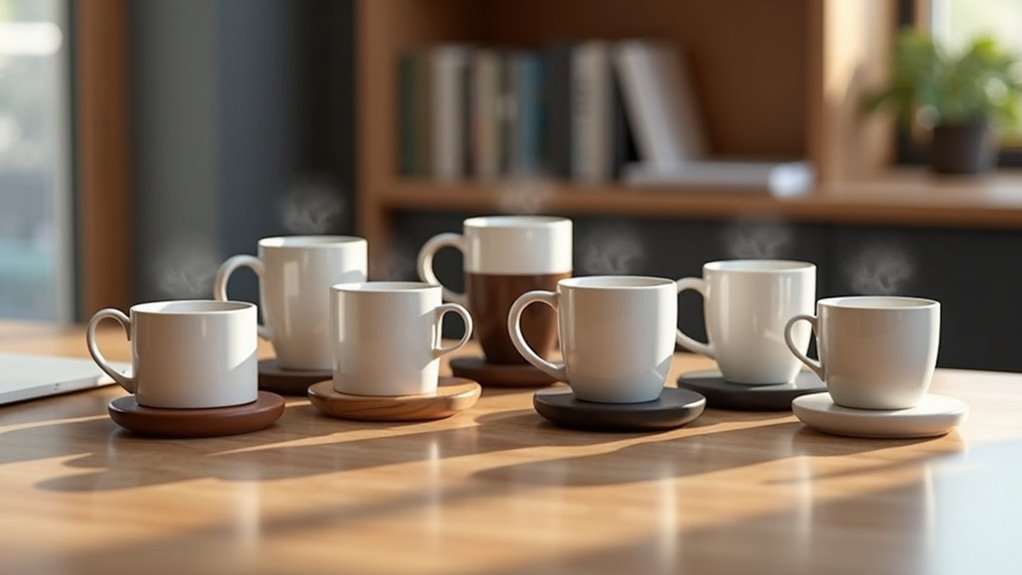
You should serve coffee in preheated cups immediately after brewing to elevate the flavor and aroma. A cold cup can cool your brew by up to 10°C, dulling the aromatic profile and reducing the overall enjoyment. By pre-warming your cups, you preserve the crema in espresso and enhance the nuanced flavors of your coffee. This simple practice not only maximizes satisfaction but also keeps your beverage at the ideal temperature for savoring every sip. Discover more about how temperature impacts your coffee experience.
Key Takeaways
- Serve coffee in preheated cups immediately after brewing to maintain optimal temperature and flavor.
- Use preheated cups for espresso drinks to preserve crema and enhance aroma.
- Pre-warming cups is essential when serving high-quality coffee to highlight delicate flavors.
- Always preheat cups for customers who prefer their beverages hot, particularly older demographics.
- Consistent use of preheated cups improves overall customer satisfaction and encourages repeat visits, making it an important practice in the coffee service industry.
The Science Behind Pre-Warming Cups
When you serve coffee in a cold cup, you’re not just risking a drop in temperature; you’re also diminishing the overall experience of your brew.
Cold porcelain can cool your hot coffee by up to 10°C, leading to a lackluster taste. This drop intensifies with the addition of milk or sugar.
Cold porcelain can reduce your coffee’s temperature by up to 10°C, resulting in a diminished flavor, especially with milk or sugar.
To ensure your espresso stays at its ideal 60-70°C, pre-warming your cups is essential. It helps retain the aroma and crema, both vital for enhancing the perceived quality of your coffee.
Simple methods such as pouring boiling water into the cups or using cup warmers can effectively maintain the temperature, assuring that every sip of your coffee is a delightful experience.
Enhancing Flavor and Aroma Through Temperature
When you serve coffee in preheated cups, you’re not just offering a drink; you’re preserving the delicate dance of flavor and aroma that makes coffee so enchanting.
A temperature drop of even 10°C can hinder the aromatic profile, dulling the rich scents and intricate flavors that you crave.
Temperature Impact on Aroma
Serving coffee in preheated cups not only elevates the drinking experience but also greatly enhances the aroma, a key component that influences flavor perception.
Cold cups can drop the temperature by up to 10°C, diminishing aroma intensity and impacting your guests’ enjoyment. By prewarming cups, you help retain the crema for espresso, which is crucial for aromatic expression.
Ideal temperature stability allows coffee to fully develop its intricate flavors, making each sip more delightful.
Flavor Retention Techniques
Preheating your coffee cups is one of the simplest yet most effective flavor retention techniques you can employ. By preventing a temperature drop of up to 10°C, preheated cups guarantee that your coffee maintains its ideal drinking temperature and rich flavor profile.
Cold cups inhibit aroma retention, dulling the coffee experience. When serving espresso, preheated cups preserve the crema, enhancing every sip.
To maximize this technique, pour boiling water into the cups or use a cup warmer. This stability allows the subtle nuances of quality whole beans to shine, elevating your coffee service and delighting your guests with every aromatic sip.
Best Practices for Pre-Warming Coffee Cups
To fully appreciate the rich flavors and aromas of your coffee, it’s crucial to start with pre-warmed cups. Cold porcelain can drop your coffee’s temperature by up to 10°C, diminishing its quality.
To effectively raise cup temperatures, use a hot water tap. Simply pour boiling water into your cups and let them sit for a few minutes. This practice not only retains the crema in espresso drinks but also enhances the overall drinking experience.
Consistently pre-warming coffee cups helps maintain ideal brewing conditions, allowing the nuanced flavors of quality coffee to shine through beautifully.
The Impact of Cold Cups on Coffee Quality
Using cold cups for your coffee can drastically lower the temperature, robbing you of the rich flavors and aromas that make each sip enjoyable.
You’ll find that the delicate notes of quality beans are muted, making your experience less satisfying.
To truly appreciate your brew, it’s essential to maintain ideal warmth by preheating your cups.
This simple step can enhance the overall enjoyment of your coffee, allowing you to savor every note and nuance in your favorite blends.
Temperature Drop Effects
When you serve coffee in cold porcelain cups, you may not realize the significant impact it has on the beverage’s temperature and overall quality.
The temperature drop effects can be dramatic, with an immediate decrease of up to 10°C. If you add milk or sugar, it plummets further, leaving your coffee lukewarm and uninviting.
This drop compromises the ideal serving temperature, dulling the flavor profile and aroma intensity that are essential for a rich coffee experience.
Pre-warming your cups maintains thermal stability, allowing the nuanced flavors to shine, ensuring that your guests enjoy every sip to the fullest.
Aroma and Flavor Loss
Serving coffee in cold cups not only impacts its temperature but also greatly affects its aroma and flavor.
When you pour your carefully crafted brew into cold porcelain, you risk a temperature drop of up to 10°C, markedly diminishing the overall flavor experience. The cold cups inhibit aroma development, which is essential for enhancing taste quality. This loss of aroma makes the coffee less fragrant and enjoyable.
Additionally, cold porcelain reduces crema retention, affecting the texture and mouthfeel. By pre-warming your cups, you preserve the delicate subtleties of flavor, ensuring each sip of your coffee is as delightful as it should be.
Optimal Coffee Enjoyment
Cold cups can drastically undermine your coffee experience, turning what should be a delightful ritual into a disappointing one.
When serving coffee, consider the following impacts of cold cups:
- Immediate temperature drop of up to 10°C
- Additional cooling from cold milk or sugar
- Inhibited aroma development, harming flavor
- Loss of ideal flavor due to temperature instability
Using pre-warmed cups is essential. They help maintain that perfect 60-70°C for espresso, preserving nuanced flavors and enhancing aroma retention.
Ultimately, serving coffee in pre-warmed cups elevates your guests’ experience, ensuring each sip is an enjoyable celebration of quality and craftsmanship.
Embrace the art of coffee by prioritizing the temperature of your cups for an optimal tasting journey.
Customer Preferences and Hot Coffee
Many coffee drinkers, especially those from older demographics, have a strong preference for hot beverages, as lukewarm coffee can often lead to disappointment.
To enhance customer satisfaction, it’s beneficial to use preheated cups. Cold porcelain can cause coffee temperature to drop by up to 10°C, which can diminish the overall experience.
By serving hot coffee in preheated cups, you not only maintain the ideal temperature but also preserve the aroma and flavor profile essential for a satisfying taste.
Prioritizing this simple step can greatly enhance your patrons’ enjoyment, making their café visit memorable and ensuring they return for that perfect cup of hot coffee time and again.
Exploring Different Brewing Methods and Their Temperature Needs
While exploring the diverse world of coffee brewing methods, it’s essential to recognize that each technique has its unique temperature requirements that greatly influence the final cup.
Here’s what you should keep in mind about coffee brewing:
Understanding temperature’s role in coffee brewing is crucial for achieving the best flavors in your cup.
- Espresso machines thrive at 60-70°C for ideal flavor extraction.
- French press and Chemex benefit from preheating cups to maintain higher temperatures for optimal enjoyment.
- Cold cups can drop your brew’s temperature by up to 10°C, significantly affecting the taste of your coffee.
- Siphon brewing demands precise temperature control to enhance extraction and bring out the best flavors in your coffee.