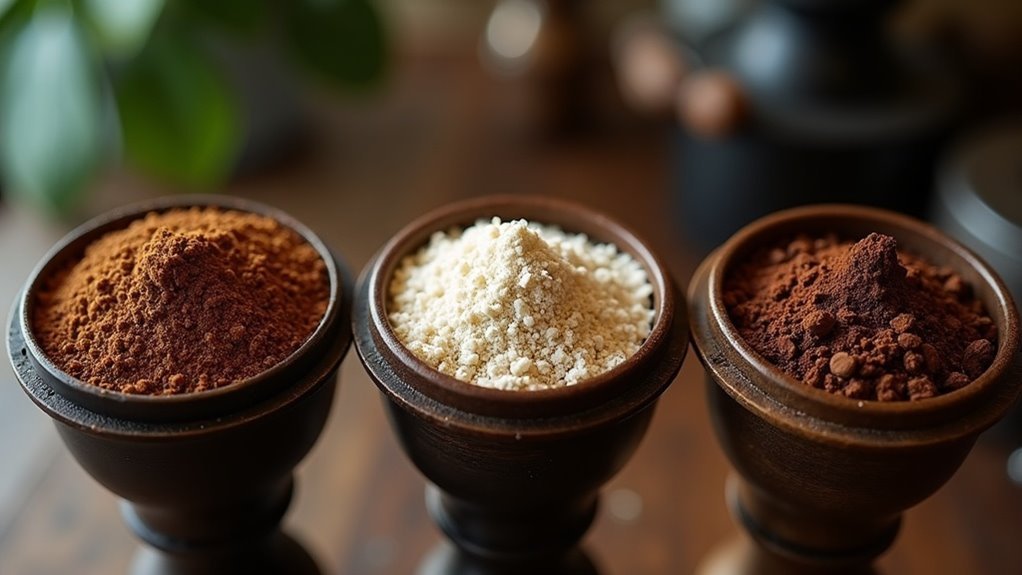
For espresso, you should aim for a fine grind similar to table salt. This grind size maximizes surface area for ideal flavor extraction and creates the necessary resistance for water under high pressure. Consistency is key; small variations can lead to under or over-extraction, affecting the flavor profile. Test and adjust your grind based on taste and extraction time to achieve a balanced cup. Discover more insights to enhance your coffee brewing experience.
Key Takeaways
- A fine grind, similar to table salt, is ideal for espresso to maximize flavor extraction and enhance the coffee experience.
- Consistent grind size is crucial for achieving balanced flavors and maintaining quality in your espresso coffee.
- Monitor extraction time; 25-30 seconds is optimal for brewing the perfect cup of espresso.
- Adjust grind size based on taste; sourness indicates under-extraction, while bitterness signals over-extraction in your coffee.
- Use a quality burr grinder for uniformity and adjust settings regularly to ensure the best espresso coffee experience.
Why Grind Size Matters for Espresso
When brewing espresso, the grind size is crucial in shaping the flavor and quality of your shot. A fine grind increases the surface area, allowing for optimal extraction of flavors and oils. This creates the necessary resistance for water flow under high pressure, resulting in a balanced flavor profile.
Achieving consistent results relies on maintaining this ideal grind size, akin to table salt; even minor variations can disrupt brewing time and lead to under-extraction or over-extraction.
Mastering grind size not only elevates the espresso experience but also showcases the unique characteristics of the coffee’s origin and roast level.
The Impact of Grind Size on Espresso Extraction
The grind size you choose directly impacts the surface area available for extraction, which is crucial during the short brewing time of espresso.
A fine grind promotes an ideal flavor balance, while any inconsistency can result in undesirable taste profiles.
Surface Area and Extraction
Grind size plays a crucial role in coffee extraction, directly influencing the flavor profile and quality of your brew.
A fine grind, similar to table salt, increases the surface area, facilitating rapid extraction of flavors and oils. This allows for ideal resistance to water flow, necessary for achieving the required pressure during extraction, which creates that rich crema in espresso.
To maintain the balance of extraction, consistency is key; a uniform grind size guarantees even flavor distribution.
Brewing Time Considerations
Achieving the perfect espresso involves careful attention to brewing time, which greatly depends on grind size. The ideal brewing time is 25 to 30 seconds; during this period, a finer grind increases the surface area, allowing for optimal extraction of flavors.
If your espresso machine produces a shot in less than 25 seconds, the grind size might be too coarse, which can lead to under-extraction and a sour taste in your coffee. On the other hand, if the extraction time exceeds 30 seconds, the grind may be too fine, resulting in a bitter flavor profile.
Consistently monitoring the flow rate and adjusting the grind size is crucial for maintaining the ideal brewing time and enhancing the overall flavor of your coffee.
Flavor Balance Importance
Flavor balance is crucial for the quality of your espresso, and the grind size significantly impacts this element.
The grind size determines how finely the coffee particles interact with water flow, which is key for proper extraction. A very fine grind increases the surface area, allowing rich flavors to come forward, while a coarser grind can produce a softer cup with better clarity.
Achieving the right balance ensures that espresso shots are neither sour from under-extraction nor bitter from over-extraction.
Consistency in grind size is vital; any variations can disrupt the flavor harmony, leading to an unbalanced coffee experience that may not impress your guests.
Flavor and Quality: The Delicate Balance
While the grind size for coffee plays a pivotal role in determining the final cup’s flavor and quality, it’s the precise balance of extraction that truly elevates the experience. A fine grind, akin to table salt, maximizes surface area, enhancing flavor compound extraction. Consistency with uniform particles prevents undesirable tastes, ensuring a rich crema.
| Grind Size | Flavor Profile | Extraction Impact |
|---|---|---|
| Fine | Dense, intense | Ideal extraction balance |
| Medium | Softer, clearer flavors | Possible under-extraction |
| Coarse | Light, less complex | Risk of over-extraction |
Adjustments to grind size can refine your coffee’s character.
Understanding Espresso and Its Requirements
Espresso brewing demands specific conditions that highlight the importance of grind size. For optimal flavor extraction, a fine grind, similar to table salt, is necessary to maximize surface area.
Consistency in grind size is crucial; variations can lead to under-extraction or over-extraction, which can compromise the flavor profile of your espresso. The ideal brewing time is between 25-30 seconds, making precision essential.
Additionally, ensure your water temperature is maintained between 90-96°C (194-205°F) to effectively extract the rich oils from the coffee grounds.
Ideal Grind Size for Espresso: A Detailed Guide
To achieve the ideal espresso, you need a uniform fine grind that maximizes flavor extraction.
Any inconsistency can lead to uneven extraction, affecting both taste and quality.
Adjusting your grind size based on taste and flow rate is essential for balancing the flavors in your brew.
This knowledge is crucial for coffee enthusiasts seeking to perfect their espresso-making skills.
Importance of Uniform Grind
Achieving a uniform grind size is essential for peak espresso extraction, as it directly influences flavor consistency and quality. A fine, uniform grind size, akin to the texture of table salt, maximizes surface area for ideal extraction within the 25-30 second brewing window.
Variations in grind size can lead to uneven flavor profiles and adversely affect the quality of your espresso shot. Consistency is crucial for forming a rich crema, which enhances the overall espresso experience.
Small adjustments to your quality grinder can fine-tune extraction; if your shot brews too quickly or slowly, it’s likely due to grind inconsistencies that need addressing for optimal results.
Adjustments for Flavor Balance
While fine-tuning your espresso, adjusting the grind size is essential for achieving the perfect flavor balance. The ideal grind size for espresso machines is fine, maximizing surface area for efficient flavor extraction.
Aim for a brewing time of 25-30 seconds, resembling warm honey flow. Small adjustments can greatly impact your shot; under-extraction leads to sour notes, while over-extraction results in bitterness. If the flavor isn’t right, don’t hesitate to adjust your grind size.
Consistency is key—ensure even particle sizes for the best flavor profile. Mastering these adjustments will elevate your coffee experience and delight your guests.
Tips on Achieving the Right Grind Size at Home
Getting the right grind size for espresso at home requires careful attention to detail and the right tools. Invest in a quality burr grinder, as grind size is essential for ideal extraction.
Start with a fine grind, similar to table salt, and adjust your grinder based on your espresso machine’s performance. Experiment with different settings to find the perfect grind for your specific machine.
Begin with a fine grind akin to table salt, then fine-tune your grinder for optimal espresso extraction.
Always use freshly ground coffee; pre-ground coffee won’t deliver the same rich flavors and aromas that fresh grounds provide.
Test the flow of your espresso; it should drip like warm honey. If your shot tastes too sour or bitter, make adjustments to achieve a well-balanced cup.
Enjoy the process of refining your grind to unlock the full potential of your coffee.
How to Test and Adjust Your Grind Size
How can you ensure your espresso grind size is just right? Start with a medium-fine grind as your baseline.
Pull the first shot, aiming for a brewing time of 25-30 seconds. Observe the espresso’s flow; it should resemble warm honey, indicating proper extraction.
Taste your brew—if it’s sour, you’re under-extracting; bitterness means over-extraction.
Make small adjustments to your grind size based on these tasting notes and extraction time.
Repeat this process until you achieve your desired flavor profile.
With consistent testing and adjustments, you’ll master the art of brewing the perfect cup of espresso.
Troubleshooting Common Issues
When troubleshooting common issues with your espresso, it’s essential to focus on the extraction time and flow characteristics.
Here are three key points to consider:
- If your shot fills the cup in under 25 seconds, your grind size is likely too coarse; make the grind finer for optimal extraction.
- A shot taking over 30 seconds indicates an overly fine grind, which can lead to bitterness; switch to coarser grounds to balance the flavor.
- Aim for an espresso flow that resembles warm honey; a watery texture suggests a coarse grind, while a slow flow indicates that the grind is too fine.
Regular adjustments to your coffee grind size can significantly enhance the quality of your brew.